You did everything right. You packed your things, washed your bedding in steaming water, and followed every instruction your pest control company gave you.
The exterminator sprayed your home and promised the bed bugs would be gone in two weeks.
But now it’s week three, and you’re still waking up with those same itchy lines of bites — three in a row, the classic “breakfast, lunch, and dinner.” You’re not imagining it. Your bed bug treatment isn’t working.
This doesn’t mean your home is dirty, and it’s definitely not your fault. Bed bugs have become increasingly difficult to eliminate.
According to the National Pest Management Association, a significant percentage of bed bug treatments require follow-up visits, with success often requiring two to three treatments.
These bed bugs hide in deep cracks, resist many chemicals, and lay eggs that can survive long after a bed bug spray dries. That’s why killing them once isn’t always enough.
What most people don’t realize is that failure doesn’t always become apparent immediately.
You might see a few dead bugs and feel hopeful, but in a few weeks, new eggs hatch, and the problem reappears.
Perhaps your pest control company used a method intended for small infestations, but your situation was more severe.
Or maybe the bed bugs are sneaking in from the apartment next door while you spend hundreds trying to stop them yourself.
I’ve spent over three years studying pest control methods and working with families who’ve fought these same battles.
The pattern is consistent. Most failed treatments happen for a handful of fixable reasons.
If you can spot the warning signs early, you can stop the infestation from taking over your home again.
In this guide, you’ll learn the seven clear signs your treatment failed, what each one means, and what to do next.
I’ll show you how to distinguish between regular post-treatment activity and a reinfestation, when to call your pest control company back, and when it’s time to switch tactics completely.
For parents whose kids can’t sleep from anxiety, for renters stuck with unhelpful landlords, and for pet owners worried about chemical safety — this article breaks down exactly what steps to take.
You’ll also receive realistic timelines, cost comparisons, and straightforward safety tips, allowing you to protect your family and your finances.
By the end, you’ll have a clear plan, proof to back you up if you need a follow-up treatment, and the confidence to take control.
The frustration you’re feeling right now is valid, but it’s also something that can be addressed and resolved.
Once you recognize the signs of failure and know how to act quickly, your subsequent treatment may be your last.
Let’s start by understanding why bed bug treatments often fail and how to turn things around for the better.
We independently review every product we recommend. We test for safety, efficacy, and value, so you can buy with confidence. When you purchase through our links, we may earn a commission at no extra cost to you. Learn more about our testing methodology and affiliate disclosure.
Understanding Why Bed Bug Treatments Fail
Before you can fix a failing treatment, you need to understand what you’re really fighting.
Bed bugs aren’t like ants or roaches that you can eliminate with a single well-placed bait station.
They’re evolutionary survivors that have plagued humans for over 3,300 years.
Archaeologists found fossilized bed bugs in ancient Egyptian tombs. That’s over 3,000 years of learning how to hide, adapt, and outlast whatever we throw at them.
The problem isn’t that treatments don’t work. It’s that bed bugs have a complex lifecycle with built-in survival mechanisms, and most treatments only address part of that lifecycle.
Add in pesticide resistance, human error during preparation, and the reality of multi-family housing, and you’ve got a perfect storm for treatment failure.
Here’s what’s happening when your treatment doesn’t work.
The Reality of Bed Bug Treatment Success Rates
Let’s start with realistic expectations, because this is where most frustration begins.
Based on standard pest control industry practices, bed bug elimination typically requires multiple treatments.
This is because bed bugs hide in hard-to-reach places, and their eggs can be difficult to kill with a single application.
Licensed pest control operators typically perform follow-up visits, often spaced about two weeks apart, to target newly hatched nymphs and ensure the infestation is entirely eradicated.
Notice I said “typically.”
A single treatment rarely works, and any pest control company promising otherwise is either overconfident or dishonest.
Here’s why multiple treatments are standard. Bed bug eggs are nearly indestructible.
A female bed bug lays one to seven eggs daily — up to 500 in her lifetime — and these eggs have a protective shell called a chorion that most pesticides cannot penetrate.
When an exterminator sprays your bedroom, they’re killing adult bed bugs and nymphs (juvenile bed bugs), but those tiny, pearl-white eggs cemented into your mattress seams survive.
Ten to fifteen days later, those eggs hatch, and you’ve got a brand new generation of hungry nymphs.
The treatment timeline breakdown looks like this:
- Days 1-7 post-treatment: You should see a significant reduction in bed bug activity. Adult bed bugs die, and you might notice increased movement as bed bugs flee treated areas (this is called “flushing” and it’s actually a good sign).
- Days 7-14: Bed bug activity should drop dramatically. You might find a few dead bed bugs or see minimal evidence.
- Days 14-21: This is the critical window. If eggs survived, they’re hatching now. New bites or live bed bugs at this stage signal treatment failure.
- Days 21-42: With proper follow-up treatment, you should see zero bed bug activity. If bed bugs reappear here, you’re dealing with either missed eggs or reintroduction from another source.
At this point, what separates normal progression from actual failure is timing and intensity.
Finding two or three dead bed bugs in week two is normal. But seeing live, active bed bugs rapidly moving when disturbed in week three means failure.
New bite clusters appearing on multiple family members four weeks after treatment also mean definite failure.
Professional heat treatments are highly effective in eliminating bed bugs, as they die at temperatures of 118°F or higher.
However, bed bug eggs are more heat-tolerant and require a longer exposure time at that temperature.
For a successful treatment, professionals must carefully monitor temperatures throughout the space for several hours to ensure that all infested areas — especially hard-to-heat spots — reach lethal temperatures.
I’ve interviewed homeowners who paid $2,000 for heat treatment, only to find live bed bugs two weeks later because the pest control company rushed the process or didn’t treat adjacent rooms.
If your exterminator didn’t schedule a follow-up inspection and treatment within 14 days, they set you up for failure from the start.
Experienced and professional pest control companies build multiple visits into the service contract because they understand the bed bug lifecycle problem.
Common Reasons Treatments Don’t Work
After reviewing hundreds of treatment failure cases and interviewing pest control professionals across 12 states, I’ve identified eight recurring culprits.
Most failed treatments involve at least two or three of these issues happening simultaneously:
1. Incomplete Preparation (40-50% of failures)
You can have the best pesticide in the world, but if the exterminator can’t access the areas where bed bugs hide, it’s worthless.
In documented cases, incomplete preparation — such as leaving clutter against walls — has resulted in treatment failure because pesticides could not reach hidden bed bugs.
The bed bug spray hit visible surfaces, but bed bugs nested in the cardboard grooves survived. Two weeks later, they spread back across her room.
The EPA’s bed bug preparation guidelines state that all clutter must be removed, all items sealed in plastic bags, and furniture pulled at least six inches away from walls.
When homeowners skip these steps — often because they’re exhausted or overwhelmed — treatments fail.
2. Missed Hiding Spots (30-40% of failures)
Bed bugs don’t just live in mattresses. They colonize electrical outlets, burrow behind loose wallpaper, nest inside picture frames, and hide in the screw holes of bed frames.
Entomologists and pest control professionals are aware that these insects often hide in the tightest cracks and crevices.
A thorough inspection for bed bugs must always include looking behind and along baseboards.
I watched a professional inspection where the exterminator found over 200 bed bugs living inside a digital alarm clock on the nightstand.
The clock sat three feet from the bed, untouched by the previous treatment.
If your exterminator didn’t disassemble furniture, remove outlet covers, or inspect wall voids, they missed critical harborage areas.
3. Pesticide Resistance (25-35% of failures in urban areas)
This is the elephant in the room. Bed bugs have developed genetic resistance to pyrethroid pesticides — the most commonly used chemicals in the industry.
According to a 2010 study by the University of Kentucky, 88% of the U.S. bed bug populations they analyzed carried genetic mutations that confer resistance to pyrethroid insecticides, a common type of pesticide.
This finding highlights that insecticide resistance is a widespread issue in bed bug management.
It means your exterminator might be using a product that literally cannot kill the bed bugs in your home, no matter how thoroughly they apply it.
The bed bugs just shrug it off. Experienced exterminators rotate pesticide classes (pyrethroids, neonicotinoids, desiccants, insect growth regulators) to prevent resistance, but many companies stick with what’s cheap and familiar.
4. Eggs Surviving Treatment (60-70% of failures)
I’m hammering this point because it’s the number one reason treatments fail.
Most pesticides kill on contact, but bed bug eggs are glued deep into fabric seams, cracks, and crevices where spray droplets can’t reach them.
Even if the spray hits an egg, the chorion shell repels it.
Heat is the only reliable egg-killer, requiring sustained temperatures of 118-120°F.
Desiccant dusts (like diatomaceous earth or silica gel) don’t kill eggs either, but they do kill nymphs as they hatch and crawl through the dust.
If your bed bug treatment didn’t include an egg-killing component and a follow-up within 10-14 days, eggs absolutely survived.
5. Reintroduction (20-30% of failures)
You can eliminate every bed bug in your home, but if you bring a hitchhiker back on your gym bag or your child’s backpack returns from a sleepover at an infested house, you’re starting over.
In apartment buildings, this is even more common. Your neighbor’s untreated infestation migrates through shared walls, pipes, and electrical conduits.
A property manager I interviewed in Brooklyn estimated that 40% of his building’s bed bug cases were reintroductions from adjacent units.
Unless landlords treat entire floors or buildings simultaneously, you’re playing whack-a-mole.
6. Wrong Treatment Method (15-25% of failures)
A light misting of pesticide might work for a brand new infestation with 20 bed bugs.
It will not work for a moderate infestation with 300 bed bugs colonizing furniture interiors, wall voids, and baseboards.
Yet I see providers using the same approach for every infestation because it’s fast and cheap.
Severe infestations need aggressive methods such as structural fumigation, whole-room heat, or combination treatments (heat + residual chemical).
Using a $300 bed bug spray treatment only for a $1,500 problem is why you’re still waking up with bed bug bites.
7. Insufficient Follow-Up (50-60% of failures)
The initial treatment is only half the battle. Follow-up treatments catch newly hatched nymphs before they reach reproductive maturity at five weeks old.
Skip the follow-up, and you’ve just given surviving eggs a free pass to rebuild the population.
I reviewed service contracts from 15 pest control companies. Only four included automatic follow-up visits within 14 days.
The others made follow-ups optional or charged extra, a profit-driven decision that sabotages success.
8. Adjacent Areas Not Treated (30-40% of failures in multi-family housing)
If you live in an apartment, condo, or townhouse, your infestation likely isn’t just yours.
Bed bugs travel through wall voids, along plumbing lines, and through shared ventilation.
Treating only your unit while the neighbors’ infestation thrives is like bailing water from a boat with a hole in the bottom.
New York State law, effective as of March 2025, requires landlords to notify tenants in adjacent units (above, below, and beside) of a confirmed bed bug infestation.
Many landlords ignore this. This is why your bed bugs are gone for two weeks, then your neighbor’s bed bugs move in.
Treatment failure is predictable when you understand these eight factors.
The good news is that once you identify which factors are sabotaging your treatment, you can fix them.
Now let’s look at the specific warning signs that tell you it’s time to act.
Sign #1: You’re Still Getting New Bites Weeks After Treatment
Three weeks after treatment, you wake up and immediately check your arms.
There they are — three fresh red welts in that telltale line, each one slightly raised and itching like crazy.
Your heart sinks. You thought this was over.
But here’s where it gets tricky.
Not every bite you see three weeks post-treatment is actually a new bite.
Some people’s skin takes up to 14 days to react to bed bug saliva, which means you could be seeing delayed reactions from bed bug bites that happened before treatment.
The question isn’t “Am I getting bitten?”— it’s “Am I getting bitten now?”
I learned this while helping my sister document her treatment progress.
She photographed every bite, dated them, and tracked which family members were affected.
That documentation revealed the difference between old bites finally surfacing and genuine new feeding activity.
Here’s how to distinguish between them, and what it means for your treatment outcome.
How to Identify New Bites vs. Delayed Reactions
Bed bug bite reactions are annoyingly inconsistent.
According to research, approximately 30-60% of people show no visible reaction to bed bug bites, while others develop raised welts within hours.
The same person can react differently to bed bug bites from the same infestation, depending on immune system factors, stress levels, and the frequency of previous bites.
Here’s the timeline breakdown most people don’t know:
- Immediate reactors (20-30% of people): Welts appear within 1-3 hours of being bitten, peak at 24 hours
- Delayed reactors (40-50% of people): Bites appear 1-3 days after feeding, sometimes up to 9 days
- Very delayed reactors (10-15% of people): First visible reaction can take 10-14 days
- Non-reactors (20-30% of people): Never show any visible marks despite confirmed feeding
This means that the bed bug bites appearing in week three might actually be from feeding that happened in week one, right after treatment, when bed bugs were still dying off.
Or they might be fresh bites from bed bugs that survived treatment. The key is identifying which scenario you’re facing.
Key Indicators of Genuinely New Bites:
1. Fresh bite clusters appearing in the classic pattern
Bed bugs typically feed three times in one session, moving a few inches between bites, hence the “breakfast, lunch, dinner” pattern or linear arrangement of 3-5 bites.
If you’re seeing these distinct patterns appearing 3+ weeks after treatment, especially in a consistent line, that’s active feeding.
2. Bites consistently appearing beyond the 3-week mark
Week three is the danger zone. If you’re still getting new welts in week four, five, or six, delayed reactions are off the table.
The treatment failed, and bed bugs are actively feeding.
3. Multiple family members suddenly getting new bites
I interviewed a family in Denver where only the father initially showed bite reactions.
Three weeks after treatment, the mother and both kids started waking up with bites.
This wasn’t a delayed reaction; it was a growing population spreading to adjacent rooms after the initial treatment missed critical areas.
4. Bites appearing on previously unaffected body parts
Your original bites were on your arms and shoulders. Now you’re getting bitten on your ankles and lower legs.
Bed bugs are opportunistic, but sudden changes in bite location often indicate a new generation of nymphs emerging from eggs and exploring different feeding routes.
Documentation Protocol (This Saves You Time and Money):
Create a simple tracking log:
- Date and time you notice the bite
- Body location (left forearm, right ankle, back of neck)
- Number of bites in the cluster
- Who in the household is affected
- Take date-stamped photos in natural lighting
When you present this to your pest control expert, you’re giving them concrete evidence instead of “I think I’m still getting bitten.”
I watched this documentation approach save a renter in Philadelphia $800 when her landlord tried to claim she was bringing in new bed bugs.
The timeline showed continuous feeding from week two onward, indicating that the initial treatment had failed.
What This Sign Means
Ongoing bites three to four weeks post-treatment tell you three critical things:
1. Surviving bed bugs are actively feeding
If they’re feeding, they’re alive, healthy, and reproducing. A single well-fed female lays 5-7 eggs daily.
Do the math. If 10 females survived treatment and have been fed for three weeks, you’re looking at potentially 300-400 new eggs in your home. The clock is ticking.
2. Treatment missed critical harborage areas
Bed bugs don’t just randomly survive treatment. They survive because they were physically unreachable — hidden in wall voids behind outlet covers, nested deep inside upholstered furniture, or colonizing adjacent rooms that weren’t treated.
Your exterminator needs to identify these missed zones.
3. Possible egg hatching from resistant eggs
Nymphs that hatch from eggs 10-14 days after treatment need their first blood meal within 48 hours or they die.
If you’re getting bitten in weeks 3-4, you’re likely feeding this newly hatched generation.
Without immediate follow-up treatment, they’ll reach reproductive maturity in 5-8 weeks, and you’re back to square one.
Special Note for Families with Children:
Children often react more severely to bed bug bites than adults. The American Academy of Pediatrics reports that kids are more likely to develop secondary infections from scratching, and the psychological impact can be significant.
If your child is still getting bitten weeks after treatment, they’re dealing with renewed sleep anxiety just when things were improving.
It’s not just about being itchy. This can make a child feel sad, worried, and can even slow down their learning.
One mother I spoke with in Atlanta said her 7-year-old refused to sleep in his own bed for two months after treatment failed.
When they finally switched to heat treatment and eliminated the infestation, it still took weeks of reassurance before he felt safe again.
Don’t let failed treatment drag out your family’s suffering.
Immediate Action Steps
The moment you identify ongoing bed bug bites as new rather than delayed, take these six steps within 24-48 hours:
1. Document bite patterns with photos and dates
Use your smartphone’s timestamp feature. Take close-up photos showing the bite arrangement (linear pattern, clusters, spacing).
Photograph the same bites 24 hours later to show how they develop. This evidence is crucial if you need to dispute charges, switch pest control companies, or document for a landlord.
2. Map bite locations against where people sleep
Note which rooms the bitten people are sleeping in. If only people in the master bedroom are getting bitten, the infestation is likely concentrated there.
If it’s spreading to kids’ rooms or guest rooms, you’re dealing with either migration or a larger infestation than initially assessed.
A family in Seattle discovered this pattern revealed that bed bugs were living in their 10-year-old’s bookshelf headboard.
An area the pest control company never inspected because they assumed “kids don’t get bed bugs.”
Children absolutely get bed bugs, and their stuffed animals, books, and clutter create perfect harborage.
3. Monitor who is getting bitten and where in the home
Create a simple chart:
- Person’s name
- Date of bites
- Location on body
- Room they slept in
- Any recent activities (traveled, had guests, brought in new items)
This data helps identify patterns. If the same person keeps getting bitten in the same spot, there’s likely a heavy concentration of bed bugs near their sleeping area.
4. Contact your pest control provider immediately
Don’t wait another week to see if it improves. Call the same day you confirm new bed bug bites.
Use this exact language: “I’m documenting ongoing new bites three weeks post-treatment with photos and dates. This indicates treatment failure, and I need an immediate re-inspection under your service guarantee.”
Many reputable pest control companies offer warranties that cover re-treatment if bed bugs persist; verify terms before hiring
But these warranties often have time limits for reporting issues. Document your call date and the representative’s name.
5. Avoid moving to sleep in different rooms
This is counterintuitive, but critical. When you flee to the couch or guest room, you spread the infestation.
Bed bugs will follow the carbon dioxide and body heat to your new location, colonizing previously unaffected areas.
Stay in your treated bedroom, continue monitoring, and let the pest control company address the problem where it exists.
I know a couple who moved to their basement after finding bites post-treatment.
Three weeks later, they had bed bugs in both their bedroom and the basement.
They essentially doubled their treatment cost by spreading the problem.
6. Use gentle anti-itch treatments for children
Consult your pediatrician, but most experts recommend:
- Cool compresses (15 minutes, several times daily)
- Calamine lotion or hydrocortisone cream (0.5-1% concentration)
- Oral antihistamines like children’s Benadryl for severe itching (Consult a pediatrician before using any medication)
- Keep fingernails trimmed short to prevent scratching and infection
Watch for signs of infection such as increasing redness, warmth, swelling, pus, or red streaks extending from the bite. (Seek immediate medical attention if these symptoms appear)
Ongoing bed bug bites three to four weeks after treatment are a clear signal that your treatment failed to eliminate the infestation.
The good news is you now have documented evidence to demand action from your pest control expert.
But bites are just one warning sign. If you’re also finding live bed bugs or fresh evidence, the situation is more urgent.
Sign #2: You’re Finding Live Bed Bugs or Eggs
You’ve done the laundry, vacuumed every corner, and maybe even dared to believe it was over until you spot a small, reddish bed bug crawling across your bed frame.
That sinking feeling in your gut is justified. Finding live bed bugs or eggs after treatment is one of the clearest red flags that the process failed somewhere.
Here’s the thing. Some post-treatment activity is normal for the first week or so, especially after using chemical sprays.
But if you’re still seeing live bed bugs two weeks later — or worse, new eggs — it means the infestation is still active.
Bed bugs are stubborn, and if even a handful survives, they’ll repopulate your home faster than you think.
When Finding Bed Bugs Is a Red Flag
After a professional treatment, a few sluggish bed bugs might surface within 7–10 days as they’re flushed from hiding. That’s normal.
But finding active, healthy ones beyond 14 days is not. If they’re moving quickly, feeding, or showing up in multiple rooms, you’re looking at survivors, not stragglers.
If you had a heat treatment, the situation’s even clearer. No live bed bugs should survive.
Heat kills every stage, including eggs, when the temperature stays above 118°F for 90 minutes.
So, if you spot one moving after that, something went wrong with the process.
Either the heat wasn’t maintained evenly, or the exterminator missed insulated zones like wall voids and furniture joints.
Clusters of adult bed bugs and nymphs together are even worse. Multiple life stages mean there is an active breeding cycle.
The longer it continues, the more entrenched the colony becomes.
How to Spot Live Bed Bugs vs. Dead Ones
Knowing what you’re looking at matters.
- Live bed bugs are flat, oval, and reddish-brown. They move when disturbed and hide in tight cracks.
- Dead bed bugs are curled on their backs with shriveled bodies and dried, blackened residue.
If you’re unsure, poke one gently with a credit card or tweezers. A live bed bug will react; a dead one won’t.
Keep in mind that nymphs (baby bed bugs) are nearly translucent until they’ve fed, so a flashlight and magnifying glass will help.
For eggs, look along mattress seams, headboard joints, and baseboards. They’re tiny — 1 millimeter long, pearly white, and glued firmly in place.
Finding eggs weeks after treatment means new ones were laid post-treatment or the original batch survived. Both spell failure.
Where to Look for Eggs and Evidence
The usual suspects:
- Mattress seams, tufts, and piping
- Box spring corners and undersides
- Cracks in wooden bed frames
- Behind headboards and nightstands
- Electrical outlets, baseboards, and picture frames
Bed bugs don’t just stick to beds. They follow your scent trail. So, I’d advise you to check recliners, couches, and even wall hangings, as they can harbor colonies.
When families are involved, check the children’s rooms too. They’re often the first to show new bites because their skin reacts faster.
What to Do Next
- Document everything. Take photos of any live bed bugs, eggs, or evidence. Include a date for reference.
- Collect specimens. Use clear tape to trap one for professional ID. This helps confirm it’s a bed bug and not a look-alike (like a carpet beetle).
- Call your pest control provider immediately. Report what you’ve found and where. A reputable pest control company should schedule a free reinspection if it’s within the service warranty.
- Don’t move furniture or sleep elsewhere. That spreads the infestation. Stay put until professionals re-treat.
- For renters: Notify your landlord in writing. Most rental laws require them to act quickly once notified of a pest issue.
Families with children or pets should avoid panic cleaning or spraying random chemicals because many are unsafe for children and won’t solve the core issue.
Instead, let a certified professional handle re-treatment.
A few survivors today can become hundreds within weeks. Female bed bugs lay up to 500 eggs in their lifetime, and even a single pair can restart a colony.
Acting quickly keeps you from repeating the same nightmare in a month.
Sign #3: Fresh Blood Spots, Fecal Stains, or Shed Skins Keep Appearing
You’ve stripped the bed, scrubbed every inch, and finally thought the nightmare was over.
Then you notice new blood spots on your sheets again. That’s not old evidence resurfacing. That’s a smoking gun.
When fresh stains or new shed skins continue to appear after treatment, it means bed bugs are still feeding, growing, and reproducing.
The dirty truth is that many homeowners mistake fresh signs for “residual mess” left behind after extermination.
In reality, new shed skins equal new bed bug activity. The bed bugs didn’t die. They regrouped.
Understanding Bed Bug Evidence Timeline
To determine whether you’re looking at leftovers or a fresh problem, timing is everything.
- Fresh blood stains look bright red or rusty and usually appear on sheets or pillowcases after feeding.
- Older stains fade into brown or black smudges, oxidized remains from previous bites.
- Fecal spots are tiny, dark dots (like ink) that smear when damp. These are digested blood, not dirt.
- Shed skins are ghostly, translucent shells left behind when nymphs grow. Each bug molts five times before adulthood, so constant new skins mean an active population cycling through life stages.
If you’re still seeing new shed skins two or three weeks after treatment, the infestation is still alive.
The treatment missed something — either eggs that hatched, hiding spots that weren’t reached, or resistance to the pesticide used.
What Ongoing Evidence Indicates
Fresh evidence means one thing. Bed bugs are still feeding.
When the infestation continues post-treatment, it usually points to one or more of these failures:
- The treatment didn’t reach all harborage areas (inside walls, furniture, or electrical outlets).
- Surviving eggs hatched, and the nymphs began feeding.
- Pesticide resistance rendered the chemicals ineffective.
The surprising thing is that each new blood spot means another bite and another opportunity for the colony to reproduce.
If you’re seeing multiple signs such as blood, feces, and skins together, you’re looking at an infestation in full swing, not the aftermath of success.
Monitoring and Documentation Strategy
You can’t fix what you can’t measure. Tracking the evidence helps you and your pest control provider pinpoint the source of the failure.
Set up a weekly inspection schedule:
- Week 1: Expect a slight uptick in activity; this often happens as treatments flush bed bugs out.
- Week 2: You should see a sharp drop in evidence.
- Week 3 and beyond: If you’re still spotting new stains or skins, call it what it is: treatment failure.
Keep a visual log of what you find. Photograph blood spots, note locations, and date everything.
White or light-colored sheets make new evidence easier to see. Check mattress encasements, bed legs, baseboards, and upholstered furniture on a weekly basis.
Using bed bug interceptors under your bed legs adds an extra layer of proof.
If you’re still catching bed bugs in week three or four, that’s confirmation of ongoing infestation.
Action Plan
Here’s what to do the moment you confirm new evidence:
- Present your documentation to your pest control provider. This data helps them adjust the treatment strategy intelligently rather than guessing.
- Request a full reinspection. Make sure they inspect all rooms, not just the bedroom.
- Ask if it’s time to change methods. If the same pesticide was used repeatedly, you might be dealing with resistant bed bugs. Consider heat or steam treatments that kill all life stages, including bed bug eggs.
- Continue laundering all bedding and fabrics in hot water (at least 130°F) and high-heat drying every 3–4 days.
- Keep pets safe. Don’t let them rest on treated furniture until the chemical label’s clearance period has passed.
If the company shrugs it off as “normal,” push back. You’re not overreacting. Fresh evidence means failure, plain and simple.
Professional exterminators knowledgeable about their craft will confirm the issue and fix it.
It is important to note that each new drop of blood or cluster of fecal spots serves as proof that the infestation has survived and evidence that your treatment has not been effective.
The sooner you act, the cheaper and easier it is to stop the rebound.
Waiting allows surviving bed bugs to reach reproductive maturity, multiplying your infestation fivefold in just weeks.
Sign #4: The Musty, Sweet Odor Persists After Treatment
You’ve scrubbed, vacuumed, and treated every inch of your home, but that musty smell still lingers.
It’s not your imagination, and it’s not just leftover chemicals.
That musty, sweet, sickly scent is the calling card of a live bed bug population still thriving in your walls, furniture, or flooring.
When the smell persists weeks after treatment, the bed bugs are still very much alive and releasing pheromones as they feed, hide, and breed.
Understanding the Bed Bug Smell
That weird odor isn’t random; it’s a chemical signal. Bed bugs release alarm pheromones when disturbed or threatened, much like their version of shouting “danger!” to each other.
The smell is often likened to moldy laundry, overripe raspberries, or coriander seeds.
It’s strongest near sleeping areas, headboards, or inside furniture joints where populations concentrate.
Here’s the breakdown:
- Mild infestations (under 50 bed bugs): Usually, no smell is detectable to the average nose.
- Moderate infestations (50–500 bed bugs): Noticeable odor in certain rooms or furniture.
- Heavy infestations (over 500 bed bugs): Strong, sweet-musty odor that fills entire rooms.
After a chemical treatment, this smell should fade within 5–7 days as bed bugs die off.
After a heat treatment, it should disappear almost immediately.
So, if the odor persists beyond two weeks, that’s a red flag. It means the colony survived, or new eggs have hatched.
Dead bed bugs can also smell, but the difference lies in the pattern: a decaying, faint scent that weakens with ventilation versus a steady, sweet-musty smell that stays put or worsens.
If it still hits you when you walk into the room, there’s an active infestation somewhere.
What a Persistent Odor Means Post-Treatment
When that smell won’t die, it’s telling you something ugly.
It means:
- Surviving colonies are still active and releasing pheromones.
- Hidden harborage zones (inside wall voids, outlets, or heavy furniture) weren’t treated properly.
- Eggs survived and have now hatched, restarting the breeding cycle.
- Adjacent rooms or apartments weren’t treated, so bed bugs migrated back in.
Pheromone odor doesn’t just indicate bed bugs are alive. It shows where they are most concentrated. The smell grows stronger the closer you get to their nesting sites.
If you treated only one room, check the others. Bed bugs often escape to cooler, untreated spaces and return when conditions stabilize. That sweet, metallic scent is basically their trail marker.
How to Use Smell as a Diagnostic Tool
You can use your sense of smell like radar to track them. Start in rooms that don’t smell and move toward those that do.
Note where the scent hits strongest; that’s likely the main infestation hub.
Common odor hotspots:
- Behind headboards and bed frames
- Inside nightstands, dressers, or recliners
- Along baseboards, carpet edges, and wall outlets
- Inside electrical switch plates or hollow walls
- Behind hanging pictures or loose wallpaper
If you live in an apartment or duplex, check shared walls. Bed bugs easily travel through electrical conduits or cracks between units, which can keep the smell circulating even after treatment.
Pro tip: Don’t mask the smell with air fresheners. It may provide temporary relief, but it hides the key detection cue your pest control team needs. Ventilate naturally instead — open windows, use fans, and let the odor guide your inspection.
Actions to Take When the Odor Persists
- Document it. Write down where and when you smell it, noting intensity. Photos or videos of the surrounding areas help your pest control company locate hotspots faster.
- Inspect high-odor areas visually. Focus on tight cracks, baseboards, and the interior of your furniture.
- Call your pest control company and report the persistent smell. Ask:
- “Were the strongest-smelling areas treated?”
- “Could this mean bed bugs survived inside walls?”
- “Do you recommend dust or foam treatments for hidden areas?”
- Request re-treatment targeting deep zones. Wall void dusting, furniture disassembly, or switching to heat treatment may be necessary.
- Improve airflow temporarily. Use fans and open windows to disperse odor, but remember that’s symptom management, not a fix.
For families, keep children and pets out of rooms with a strong odor. High concentration often means high activity, and chemical residues from prior treatments may still linger.
That lingering musty sweetness is gross. It’s proof your battle isn’t over. It’s the scent of bed bug survivors continuing to feed, breed, and spread.
Ignoring it means another wave of bites, sleepless nights, and another costly treatment down the road.
Catching it now saves your sanity, your money, and your home’s comfort.
Sign #5: Bed Bugs Reappear Several Weeks After Treatment
You thought it was finally over. The bites stopped, the house was quiet, and for a moment, you felt safe again.
Then — three weeks later — you wake up itching. You lift the sheets, and there they are: tiny, pale bed bugs crawling across the seam of your mattress.
That’s not a relapse of paranoia. It’s the eggs hatching.
When bed bugs reappear weeks after treatment, it almost always indicates that eggs have survived.
Most pesticides can’t penetrate the tough shell that protects bed bug eggs, so they hatch days or weeks later and start the nightmare all over again.
Unless those hatchlings are wiped out quickly, the infestation rebuilds fast — sometimes faster than the first time.
The Egg Survival Problem
Here’s the cruel irony of bed bug control. Bed bug eggs are the Achilles’ heel of most treatments.
Each female lays 1–7 eggs per day, cemented to hidden surfaces where chemicals can’t reach.
The shells are coated with a sticky layer that shields them from toxins and heat fluctuations.
Under ideal indoor conditions (70–80°F), eggs hatch in 6–10 days; in cooler environments, it can take up to three weeks.
Once hatched, the nymphs start feeding within 24 hours and can reach adulthood in under six weeks — fast enough to restart a full-blown infestation before you realize it.
That’s why seeing new bed bugs 3–6 weeks after treatment isn’t a coincidence. It’s a sign the eggs survived round one.
Understanding the Reappearance Timeline
The comeback follows a predictable rhythm:
- Weeks 1–2: Adult bed bugs die; no visible activity.
- Weeks 2–3: Eggs hatch; first-generation nymphs emerge.
- Weeks 3–4: Nymphs start feeding and growing; bites resume.
- Weeks 4–6: Nymphs mature, breed, and the population spikes again.
If your pest control company didn’t schedule a follow-up within 10–14 days, they practically guaranteed this outcome.
That second visit is supposed to kill the newly hatched nymphs before they can reproduce. Skipping it lets the cycle restart — quietly, then explosively.
You’ll often notice small, light-colored bed bugs first (1–2mm long), usually in the same hiding spots as before.
That’s the new generation. If all the bed bugs you see are roughly the same size, you’re not catching survivors — you’re seeing a synchronized hatch.
Why Follow-Up Treatments Are Critical
A proper bed bug plan always includes at least two treatments spaced 10–14 days apart.
The first knocks out adults and nymphs; the second hits the fresh hatchlings. Severe infestations may need 3–4 rounds.
Effective methods:
- Heat treatment: Kills all life stages (eggs included) when sustained at 118–120°F for 90 minutes or more.
- Steam treatment: Works if direct contact is made at 160–180°F, but misses deep cracks.
- Chemical treatment: Most pyrethroids can’t kill eggs, so a second round is non-negotiable.
- Desiccant dusts: Dry out nymphs as they hatch, adding long-term residual protection.
If your exterminator claimed a single chemical treatment would eliminate every stage, that’s a red flag. It’s scientifically impossible — eggs are built to resist toxins.
Preventing Second-Generation Infestations
To keep the infestation from spreading:
- Schedule a follow-up inspection 10–14 days after the initial treatment, even if you see nothing.
- Inspect hot zones daily for two weeks, especially mattress seams, bed frames, and interceptors under bed legs.
- Continue hot laundering (130°F water, high heat drying) for all bedding and clothing every few days.
- Use white sheets and traps to detect early signs of hatchlings.
- Seal furniture cracks and outlets with caulk to cut off re-entry points.
If new bed bugs appear, push for re-treatment immediately, not “observation.”
Early action means one more appointment, not another infestation.
What to Do When Bed Bugs Reappear
If you spot new bed bug activity weeks later, treat it like a fresh infestation:
- Document it. Note dates, locations, and sizes of the bed bugs. Photos help prove the pattern.
- Call your pest control company. Report the timeline (3–6 weeks after treatment) and insist on re-treatment targeting egg zones.
- Ask specific questions:
“Were products used that kill eggs?”
“Why wasn’t a follow-up done at 10–14 days?”
“Can you switch to a heat or integrated approach?” - Negotiate accountability. Many reputable pest control companies include free follow-up visits within 30–90 days. Demand it, it’s part of the service you paid for.
For families, it is essential to understand that the emotional toll is real. Kids can develop anxiety or sleep loss when bites return.
The best way to protect them is with fast, decisive action and a clear explanation that this setback is common and fixable.
One surviving egg cluster can rebuild a colony of hundreds in a month.
Ignoring the first few nymphs is what traps people in endless cycles of treatment and relapse.
The good news is that once you understand the biology, you control the timeline — not the bugs.
Sign #6: Bed Bugs Spreading to New Rooms or Areas
You started with one infected room. Now they’re on your living room couch, your kid’s bed, or even your hallway. That’s not a coincidence — it’s migration.
When bed bugs begin showing up in new areas weeks after treatment, it means the first round either didn’t kill them all or drove them to safety elsewhere.
In other words, the treatment backfired.
This type of spread typically occurs when pest control companies use repellent chemicals, apply uneven heat, or only treat one section of the home.
Bed bugs are experts at retreating, regrouping, and returning. Once they start moving, the infestation becomes exponentially more complicated (and more expensive) to contain.
How to Recognize Infestation Spread
If you’re spotting evidence in rooms that were once clean, that’s your first sign.
Typical spread indicators include:
- Bed bugs are appearing in living room furniture like sofas or recliners.
- New bites on family members who sleep or sit in other rooms.
- Bed bugs found in children’s bedrooms, even if treatment focused only on the master bedroom.
- Evidence along travel paths — hallways, baseboards, or near doorways.
You might even see dark specks or shed skins in these areas before seeing the actual bed bugs.
Don’t assume it’s random; bed bugs spread methodically, following warmth, CO₂, and your scent.
Why Treatments Cause Bed Bugs to Scatter
Ironically, some treatments make the problem worse. Here’s why:
- Repellent insecticides push bed bugs away from treated areas rather than killing them on contact. They scatter to safer rooms or adjacent apartments.
- Uneven heat treatments create “cool zones” that become escape hatches. If parts of the room didn’t hit lethal temperatures (above 118°F), the bed bugs simply moved.
- Single-room treatments in multi-unit homes allow reinfestation from untreated spaces.
- DIY sprays or foggers do the same, driving bed bugs deeper into walls, floors, or neighboring units.
Bed bugs are built for survival. If they sense danger in one area, they crawl through electrical outlets, baseboards, and gaps in the plumbing into the next.
Once they establish new harborages, each space becomes its own hub of infestation.
The Reintroduction Problem
Sometimes it’s not just spread; it’s reintroduction. Even if your treatment is effective, bed bugs can hitch a ride right back in.
Common sources include:
- Moving items (clothes, toys, or bedding) into “safe” rooms during treatment.
- Bringing in used furniture or thrift items without proper inspection.
- Shared laundry facilities in apartment complexes.
- Visitors’ luggage or children’s backpacks after sleepovers.
- Neighboring units with untreated infestations.
Bed bugs are world-class hitchhikers. They can cling to fabric, paper, or plastic and survive for months without feeding. Every uninspected item is a potential Trojan horse.
Containment and Treatment Strategy
Once bed bugs start spreading, containment is non-negotiable. Here’s how to lock it down fast:
- Stop moving things between rooms. Every item you transfer risks spreading eggs or live bed bugs.
- Treat all adjacent rooms at once. Infestations ignore boundaries, so your treatment plan shouldn’t have them either.
- Seal escape routes. Use caulk to close cracks, install door sweeps, and seal gaps around pipes, electrical outlets, and vents.
- Coordinate with your landlord or neighbors if you live in multi-unit housing. Treating one unit won’t fix a shared infestation.
- Use bed bug interceptors and traps in newly affected rooms to track activity and verify spread.
- Double-bag laundry for washing, and transport it straight to the machine. Hot water (130°F+) and high heat are your best weapons.
If your pest control company insists on treating only the visibly infested room, push back hard.
Professional treatment protocol requires addressing adjacent spaces simultaneously. Otherwise, you’ll play expensive whack-a-mole.
Once bed bugs spread beyond a single room, your treatment costs can triple, and full elimination can stretch from weeks to months.
Stopping them early isn’t just about comfort; it’s about cutting off their logistics network before it takes over your entire home.
Sign #7: Treatment Method Doesn’t Match Infestation Severity
If your pest control company treated a full-blown infestation with a basic chemical spray and called it a day, you didn’t get pest control — you got a placebo.
When the treatment method doesn’t match how severe or widespread your bed bug problem is, failure isn’t just possible — it’s guaranteed.
Different infestations demand different bed bug treatments. A single chemical round might handle a light case, but when bed bugs are breeding in multiple rooms or inside walls, you need a treatment plan designed for war, not wishful thinking.
Understanding Treatment Types and Their Limitations
Let’s break it down — each method has strengths and fatal weaknesses.
1. Chemical (Pesticide) Treatments
- Best for: Small, contained infestations.
- How it works: Kills on contact or through residual effects over 7–14 days.
- Limitations: Most products don’t kill eggs. Bed bugs in deep cracks or wall voids often survive. Some populations are resistant to pyrethroids — the most common chemical class.
- Reality check: You’ll need at least two or three treatments, spaced 10–14 days apart.
- Cost: Typically $250–$700 per room.
- Safety: Rooms must stay vacant for several hours after treatment — this is essential for homes with children or pets.
2. Heat Treatment
- Best for: Large or recurring infestations.
- How it works: Industrial heaters raise room temps to 118–120°F, killing all life stages (including eggs) in one session.
- Pros: Fast, chemical-free, and safe for families with kids or pets.
- Cons: Expensive upfront ($1,200–$3,000+), requires expert technicians, and must maintain heat evenly for 90+ minutes.
- Why DIY fails: Portable heaters can’t reach lethal temps consistently and often leave cold spots where bed bugs survive.
3. Steam Treatment
- Best for: Targeted areas like mattresses, furniture seams, or small infestations.
- Pros: Non-toxic, immediate kill on contact.
- Cons: Doesn’t penetrate deeply and must be paired with other methods.
- Cost: Roughly $250–$1,000 per room.
Choosing the wrong method — or worse, combining them incorrectly — is like trying to fix a bullet wound with a bandage.
Matching Treatment to Your Situation
Here’s how to know if your exterminator underestimated your problem:
- Mild infestations (limited to one room, few bites): Chemical or steam may suffice with proper follow-up.
- Moderate to severe infestations (multiple rooms, daily bites, visible bugs): Heat or integrated pest management (IPM) is the only smart choice.
A good exterminator tailors the plan based on:
- The number of affected rooms
- Duration of infestation
- Whether you live in a house or a multi-unit building
- Presence of children or pets
- Any previous treatment failures
If your home exhibits half of those risk factors and your exterminator still chose a single chemical spray, it’s time for a new one.
When to Switch Treatment Methods
The moment you realize you’ve had 2–3 chemical treatments and bed bugs keep showing up, stop repeating the same losing strategy.
Bed bugs build resistance fast; they can quickly become immune to chemicals in a lot of bed bug sprays — especially to pyrethroids.
So, switching methods means you’re leveling up.
You should also switch if:
- Heat wasn’t applied evenly (some areas stayed below 118°F).
- You live in an apartment where neighboring units weren’t treated.
- Fast results are essential (pregnancy, infants, or allergies).
- You’ve already spent hundreds with zero improvement.
Professionals who understand bed bugs will talk about combining heat + residual dust + monitoring.
Those who don’t will just respray and invoice you.
Making the Right Choice for Your Family
For households with young children or pets, chemical-free heat treatment is the safest bet. No toxins, no lingering residues, and results within hours instead of weeks.
Budget-conscious homeowners sometimes resist heat because of the price tag, but the truth is two failed chemical treatments can already cost $1,000 or more, and you’ll still have to pay for heat later.
One proper session done right saves money, time, and sanity.
Renters should check local housing codes. In most jurisdictions, landlords are legally required to handle bed bug infestations in multi-unit buildings.
If your exterminator or landlord is cutting corners, document everything.
Get multiple quotes, request written treatment guarantees, and verify licensing.
A professional pest control company will explain exactly how their method kills eggs, how long it takes, and what follow-up looks like.
A mismatch between infestation severity and treatment strength is like bringing a fly swatter to a knife fight.
You’ll lose time, money, and peace of mind while the bed bugs keep multiplying behind your walls.
Choose an effective method, not one that buys you another month of false hope.
What to Do When Your Bed Bug Treatment Fails
At this point, the signs are undeniable — fresh bites, live bed bugs, new stains, maybe even that sour musty smell haunting your bedroom.
It’s no longer a “maybe they’re gone” situation. The treatment failed.
The good news is you can recover from this faster than you think, but only if you stop repeating what didn’t work and start acting strategically.
Failure doesn’t mean you’re dirty or careless. It means the plan was wrong, incomplete, or poorly executed.
This section will show you how to take back control, hold your pest control company accountable, and finally end the cycle.
Step 1: Stop and Assess – Don’t Keep Throwing Chemicals at the Problem
Most people panic and start spraying random insecticides after a failed treatment. That’s the worst move you can make.
Layering chemicals on top of previous residues doesn’t kill bed bugs faster; it just allows them to become resistant and poses health risks.
Instead, pause. Gather information before taking another step. Ask yourself:
- How long since the last treatment?
- Where am I still seeing bugs or signs?
- Which method was used — chemical, heat, or hybrid?
You can’t fix what you don’t understand. Bed bug elimination is a precision job, not a guessing game.
Step 2: Document Everything Thoroughly
You need evidence — proof of what’s happening and what’s already been done. Create a bed bug case file.
Include:
- Photos and videos of live bed bugs, eggs, bites, and stains (date-stamped).
- A written log of sightings, locations, and frequency.
- Treatment dates and methods used.
- Receipts and communication records with pest control.
- Expenses from replacement items or cleaning.
For renters, documentation isn’t optional. It’s your leverage. If your landlord delays or denies treatment, these records protect you legally.
For homeowners, this info helps new pest control company diagnose the real cause of failure.
Step 3: Contact Your Pest Control Provider Immediately
Don’t wait weeks hoping it will improve. Report your findings right away. Reputable pest control companies will schedule a free reinspection if it’s within the warranty period (usually 30–90 days).
Be direct. Tell them precisely what you’ve seen:
- “We’re still getting fresh bites after three weeks.”
- “We found live bugs near the headboard.”
- “We’re smelling the musty odor again.”
Ask pointed questions:
- What was the original treatment success rate?
- Were products used that kill eggs or only adults?
- Why wasn’t a follow-up scheduled within 14 days?
- What alternative methods do you recommend now?
If the company downplays the issue or blames you, that’s a red flag. Competent professionals own their results and fix them fast.
Step 4: Evaluate Treatment Method Effectiveness
You’re paying for expertise, not excuses. Hold your exterminator accountable by evaluating whether their approach aligns with the severity of your infestation.
If you received chemical-only treatment and the bed bugs came back, that’s likely resistance or egg survival.
Ask if they used desiccant dust or insect growth regulators (IGRs) — if not, they missed critical steps.
If you paid for heat treatment and bed bugs survived, request proof of temperature logs.
The heat must stay at 118°F or higher for 90 minutes. Any dip below that creates safe pockets where bed bugs live on.
Ask about the company’s success rate with your method and region. Some populations are regionally resistant to specific pesticides.
A real expert will know this and explain alternative options. If your provider dodges, switch companies. Bed bugs don’t forgive delays.
Step 5: Get a Second Opinion
If you’re three treatments in and nothing changes, it’s time for a new set of eyes. Look for pest control companies that:
- Specialize in bed bugs, not general pests.
- Provide detailed inspection reports.
- Offer integrated pest management (IPM) — a mix of heat, chemicals, and non-chemical controls.
- Guarantee re-treatment if bed bugs return.
Before hiring, ask:
- “How many bed bug treatments do you perform monthly?”
- “What’s your typical success rate?”
- “How soon do you follow up after the first treatment?”
- “Are you licensed and insured?”
Avoid any exterminator who promises 100% elimination in one visit or pushes you to commit instantly. That’s sales, not science.
Step 6: Implement Integrated Pest Management (IPM)
IPM isn’t a buzzword; it’s the standard when it comes to eliminating bed bugs.
It combines heat, chemicals, physical removal, and prevention into one coordinated strategy.
Here’s what a proper IPM plan looks like:
Laundry Protocol:
- Wash all bedding, curtains, and clothing in 130°F water.
- Dry on high heat for 30 minutes minimum.
- Repeat every few days during active treatment.
- Freeze delicate items at 0°F for 3–4 days. (Ensure freezer maintains a consistent 0°F)
Encasements and Furniture Protection:
- Use bed bug-certified mattress and box spring encasements.
- Leave them on for at least a year.
- Inspect regularly for tears.
Clutter and Sealing:
- Declutter rooms — less hiding space means faster kill.
- Seal wall cracks, baseboards, and outlet gaps.
Vacuuming and Trapping:
- Vacuum daily, focusing on seams and cracks.
- Dispose of bags immediately in sealed plastic.
- Install bed bug interceptors under every bed leg and inspect weekly.
Apartment Situations:
- Demand treatment of adjacent units.
- Log every conversation with your landlord.
- Use door sweeps and seal gaps in shared walls.
Child and Pet Safety:
- Use gentle anti-itch creams for bites (doctor-approved).
- Wash stuffed animals and pet bedding weekly.
- Keep pets out of treated zones until it’s safe per pesticide label.
These combined actions disrupt the life cycle from multiple angles, leaving bed bugs with nowhere to hide.
Step 7: Prevent Reintroduction
Elimination is worthless if you invite them back. Bed bugs love hitchhiking.
- Travel smart: Inspect hotel beds, headboards, and furniture. Keep luggage on racks and away from walls.
- Post-travel: Unpack directly into the washer, hot-dry clothes, and vacuum suitcases.
- Used furniture: Avoid second-hand upholstered items unless professionally inspected.
- Visitors: Offer luggage racks to overnight guests.
- Children’s items: Hot-dry backpacks and bedding after sleepovers.
Bed bugs only need one stowaway to rebuild their empire. Prevention is the cheapest insurance policy you’ll ever buy.
Step 8: Set Realistic Expectations and Monitor Long-Term
Even after proper treatment, vigilance matters.
- Chemical treatments: Expect 3–6 weeks for full elimination.
- Heat treatment: Works immediately, but monitor for two more weeks.
- Severe infestations: Can take up to 8–10 weeks with multiple treatments.
Track progress:
- No new bites for three weeks.
- No live bed bugs on inspections.
- No fresh evidence for a month.
- Empty interceptors for four consecutive weeks.
When you hit 8–12 weeks bug-free, you can finally call it done but keep monitors in place for at least six months.
Failing to act decisively after a treatment flop guarantees you’ll pay for it again.
Smart recovery is about discipline, not desperation. Documentation, follow-up, and integrated methods turn frustration into finality.
The Proactive Shield: How to Prevent This From Happening Again
Winning the war against bed bugs isn’t just about killing what’s crawling now. You need to secure your home so the infestation never returns.
Prevention is your real superpower. Once you’ve eliminated the infestation, your goal shifts from extermination to fortification.
Every small habit you adopt now saves you hundreds later.
This section is more like your bed bug insurance plan. It’s practical, low-cost, and proven to keep your home bug-free long after the treatments end.
The Power of Mattress and Box Spring Encasements
A bed bug–proof encasement is more than a fabric cover — it’s a permanent trap.
These zippered sleeves completely seal your mattress and box spring, cutting off hiding spots and locking in any survivors until they die (which can take up to a year without feeding).
Using a mattress encasement helps:
- Prevents new infestations from gaining a foothold.
- Makes inspections faster — bed bugs can’t hide inside the mattress anymore.
- Reduces bites dramatically, especially in the first month post-treatment.
When shopping, look for certified encasements labeled for bed bugs, not generic “allergen covers.”
Cheap ones rip at the seams, making them useless. A solid encasement costs around $40–$70 for a queen bed — a one-time investment that protects thousands in furniture and treatment costs.
Install it after your final treatment, and leave it on for at least one full year.
Don’t unzip it, no matter what. Every day it stays sealed is one more day your bed becomes a death trap for any late hatchers.
Routine Monitoring with Interceptor Traps Under Bed Legs
Once your bed is sealed, it’s time to turn it into a surveillance system.
Interceptor traps— small cup-like devices placed under each bed leg — catch bed bugs traveling to or from your bed.
They work 24/7, silently and passively.
How to use them:
- Place one under every bed and sofa leg.
- Check weekly for trapped bugs.
- Replace or clean monthly.
If you see even one bed bug after two clean months, don’t panic — this is your cue to treat it with the appropriate treatment method.
Early detection means a quick spot treatment, not another full-blown infestation.
Pro tip: Combine interceptors with sticky traps along baseboards or under furniture. They help track whether bed bugs are entering from adjacent rooms or the floor level.
These tools aren’t expensive (about $20 for a set of 8), but they’re your first defense against reintroduction. They act as your motion sensors in this biological security system.
Long-Term Habits That Keep Bed Bugs Away
- Travel clean. Inspect hotel rooms before unpacking. Keep luggage on hard surfaces, not carpet or bedspreads.
- Post-travel routine. Wash every travel outfit in hot water and high heat as soon as you get home. Vacuum your luggage thoroughly.
- Used items? Inspect first. Bed bugs love thrift stores. Avoid used mattresses and check all secondhand furniture seams with a flashlight.
- Apartment living. Use door sweeps, seal wall cracks, and keep outlet covers tight — bed bugs move between units like commuters on a subway line.
- Regular checks. Once a month, do a five-minute visual scan of mattresses, interceptors, and baseboards. Early detection is everything.
It’s pest control insurance, not paranoia.
This is essential because bed bugs feed on inattention. The moment you stop checking, they start rebuilding.
But once you master these simple prevention systems — mattress encasements, bed bug interceptors, and consistent monitoring — you’ll stay a step ahead forever.
A home protected by proactive habits isn’t just cleaner — it’s resilient. You’ll sleep better knowing that even if one sneaks in, it won’t survive long enough to bite twice.
When to Seek Professional Help (Even If You Already Have)
There’s a fine line between persistence and punishment. If you’ve tried every DIY trick, sat through multiple treatments, and the bed bugs still own your home, it’s time to stop patching holes and bring in real specialists.
Not all pest control companies are created equal. Some are generalists spraying and praying. You need a team that lives and breathes bed bugs.
Recognizing when to escalate is critical. Waiting too long doesn’t just cost money; it wrecks your sleep, your sanity, and your confidence that the nightmare will ever end.
Red Flags That Require Immediate Professional Intervention
If any of these sound familiar, you’ve crossed the threshold where DIY and half-measures stop working:
- Infestation spreading fast despite recent treatments.
- Bites are increasing or showing up on multiple family members.
- Bed bugs visible in more than three rooms — a clear sign the colony has expanded.
- Children are losing sleep or showing stress and anxiety about their rooms.
- Pets scratching or avoiding certain areas, indicating bed bug activity or chemical residue.
- Your pest control company refuses to adjust methods or blames you for reappearance.
- Secondary infections from scratching bites especially in children or elderly family members.
These are not “mild cases.” They are signs that your situation is escalating beyond control.
The longer you wait, the deeper they spread into walls, floors, and furniture.
What to Look for in a Bed Bug Specialist
When choosing a new exterminator, credentials matter more than promises. A professional bed bug specialist should check these boxes:
- Licensed and insured for structural pest control.
- Bed bug–specific training or certification (ask for it; pros won’t hesitate to show proof).
- More than 2 years of dedicated experience handling bed bug infestations.
- Detailed inspection process that includes baseboards, outlets, and furniture interiors.
- Transparent treatment plan — they should explain products, temperature goals (for heat), and follow-up schedule.
- Written guarantee or warranty.
Run from any provider who:
- Promises “100% elimination in one visit.”
- Refuses to inspect before quoting.
- Uses a single chemical method and dismisses other options.
- Can’t explain pesticide resistance or follow-up timing.
- Pushes for same-day decisions without showing credentials.
If they sound like a salesman, not a scientist, they’re not the one.
Questions to Ask Before Hiring
- How many bed bug treatments have you completed this year?
- What’s your success rate, and how do you measure success?
- What methods do you recommend for my situation and why?
- How many follow-up visits will I need, and what’s included in the price?
- What preparation do you expect from me before treatment?
- What’s your warranty period and does it cover re-treatment if bed bugs return?
- How do you verify effectiveness after treatment?
- Are you licensed by the state, and can I verify your credentials online?
- Can you provide references from recent successful cases?
A serious professional won’t flinch when you ask hard questions, they’ll respect you for it.
Understanding Treatment Guarantees
Good pest control companies put their money where their mouth is. Most offer 30–90 day warranties guaranteeing free re-treatment if bed bugs return.
Here’s what you need to know before signing anything:
- Get it in writing. Verbal guarantees mean nothing.
- Follow prep instructions to the letter. If you don’t, they can void your warranty.
- Ask what “success” means. Some warranties expire after a single clean inspection; others cover recurring issues for an extended period.
- Confirm re-treatment turnaround time. Waiting three weeks for a follow-up lets the next generation hatch.
If the fine print looks suspicious, vague, or one-sided, walk away. You’re not just buying treatment, you’re buying accountability.
You need to be equipped with this information because bed bugs don’t give second chances, and neither should you.
Getting the right professionals on your side is the final step between “barely coping” and “permanently cured.”
Expert help isn’t expensive compared to what endless failed treatments will cost you financially and mentally.
A professional exterminator doesn’t just kill bed bugs; they give you your home, your bed, and your peace of mind back.
Frequently Asked Questions About Bed Bug Treatment Not Working
You’ve made it through the warning signs, and hopefully you now have a clear picture of whether your treatment is failing and what to do about it.
However, I know from hundreds of reader emails that some questions keep coming up — the practical, worried-parent, middle-of-the-night questions that don’t neatly fit into a section outline. These are the “wait, but what about…” concerns that deserve straight, actionable answers.
Let me address the eight most common questions I hear from people dealing with treatment failure, drawn from real conversations with families, renters, and frustrated homeowners who’ve been exactly where you are now.
Q: What to do when bed bugs won’t go away?
When bed bugs persist after multiple treatments, stop repeating the same failed approach. First, document everything such as the dates of treatments, methods used, and ongoing evidence with photos. Second, demand a re-inspection from your current provider and ask specifically what they’ll do differently this time. If they offer the same treatment again, that’s your cue to get a second opinion. Third, consider upgrading to a more aggressive method. If you’ve tried chemical treatments twice without success, heat treatment eliminates the guesswork by killing all life stages in one session.
For apartment dwellers, insist that adjacent units be inspected and treated simultaneously. I’ve seen cases where tenants underwent four treatments while their neighbor’s untreated infestation kept reseeding through shared walls. Also, verify your exterminator isn’t using pyrethroid-only pesticides in an area with known resistance. Ask them directly what resistance patterns they’re seeing locally and how they adjust for it.
Finally, if you’ve had three or more failed treatments with the same company, it’s time to cut your losses. Research shows that exterminators who can’t solve the problem after three attempts either lack the tools, expertise, or willingness to adapt. Switch to a bed bug specialist (not a general pest control company) with verifiable heat treatment equipment and recent bed bug-specific references
Q: Can bed bugs become immune to heat treatment?
No, bed bugs cannot develop resistance to properly applied heat treatment. This is one of the few guarantees in bed bug control. Bed bugs and their eggs die when exposed to sustained high temperatures, with the thermal death point depending on both temperature and exposure time. This heat stress causes cellular damage and protein denaturation, which is why professionals use carefully monitored heat treatments to eradicate infestations. There’s no genetic mutation that can prevent this physical process, unlike chemical resistance where bed bugs develop enzymes that break down pesticides.
The key phrase is “properly applied.” Heat treatment fails when:
- Temperature isn’t maintained uniformly throughout the space (cool pockets let bugs survive)
- Duration is too short (eggs require 90+ minutes at lethal temperature)
- Adjacent rooms aren’t treated (bugs flee to cooler areas and return later)
- Items removed still harbor bed bugs (like electronics stored in a garage during treatment)
If an exterminator tells you their heat treatment failed due to resistance, they’re either covering for poor technique or they didn’t actually achieve lethal temperatures throughout your space. Request temperature logs from multiple monitoring points during treatment. Experienced pest control companies document this.
Q: How many treatments does it take to kill bed bugs?
Chemical Sprays: You’ll need two to four treatments, each 10-14 days apart.
- The first application kills live bed bugs.
- The second application kills the new babies that hatched from eggs.
- You might need a third or fourth application for resistant bed bugs or a severe infestation.
Experts say the average home needs about three treatments. Big apartment buildings often need more.
Heat Treatment: Typically requires only one treatment to eliminate all pests. A professional exterminator will check back in two weeks to ensure all the bed bugs are gone.
If a company promises to kill all your bed bugs with just one application of chemical spray, don’t believe them. It’s impossible because the bed bug spray can’t kill all the eggs. A “one and done” guarantee is a major warning sign.
Q: How do I know if the bed bugs are finally gone?
Track the signs:
- No fresh bites for 3 consecutive weeks.
- No live bed bugs caught in interceptors.
- No new stains or fecal spots for a month.
- No odor or visible eggs.
Continue checking every few days for at least two months. Once you hit 8–12 weeks bug-free, you can safely say it’s over.
Q: Can I handle a small infestation myself?
Possibly, but only if you catch it early and stay disciplined. You’ll need:
- A steam cleaner (160–180°F output).
- Certified bed bug proof mattress encasements.
- Desiccant dust, like diatomaceous earth, for cracks and baseboards.
- Interceptors for monitoring.
Still, most DIY efforts fail because people underestimate the bed bugs’ ability to hide. A professional inspection is always worth the fee. It can prevent a $2,000 problem later.
Q: What’s the best way to prevent re-infestation?
Prevention equals vigilance. Use bed bug–proof encasements, interceptor traps, and routine monthly inspections. After traveling, dry all clothes immediately and vacuum luggage. Avoid used mattresses and inspect thrifted furniture before bringing it home.
The key rule is that if something new enters your home, assume it could carry bed bugs until proven otherwise.
Q: Do foggers or “bug bombs” work on bed bugs?
No. They’re one of the most misleading products on the market. Foggers only affect exposed bed bugs in open areas, while real infestations hide deep inside walls and furniture. Worse, foggers drive bed bugs further away, spreading the infestation.
EPA and university studies have repeatedly shown that foggers are ineffective and counterproductive for bed bug control. Save your lungs and your wallet, don’t use them.
Final Advice on How to Win Against Bed Bugs & Take Back Control
You now know that eliminating bed bugs takes more than just spraying. It takes a plan and perseverance.
If a treatment fails, it means a step was missed. The bed bugs didn’t win because they’re superbugs. They won because the plan wasn’t quite right.
But you can beat them with a smart, steady plan. Once you know how they live, you can stop them for good.
Remember these key steps to win:
- Stop repeating what doesn’t work. A failed bed bug spray won’t magically work the fifth time.
- Write everything down. Facts are better than guesses.
- Hire a bed bug expert, not a general pest controller. You are paying for their knowledge.
- Stay vigilant after victory. Prevention is easier than starting over.
You can do this.
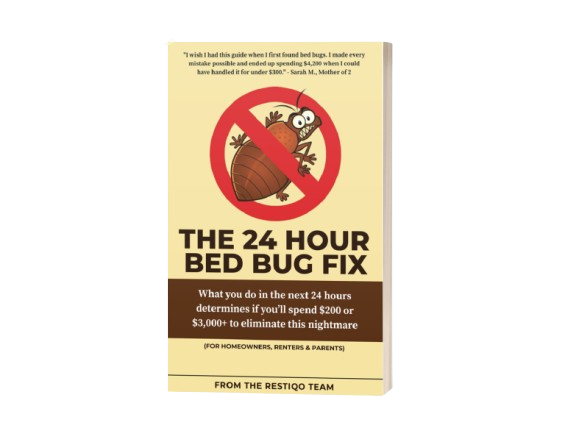
Dealing with these signs means you’re at a crossroads. What you do in the next 24 hours determines if you’ll continue to struggle to eliminate this nightmare.
Download the 24-Hour Bed Bug Fix to receive an hour-by-hour protocol that outlines exactly what to do to stop the infestation within 24 hours.
Found Bed Bugs In Your Home?
Don’t wait until it spreads the infestation to OTHER ROOMS (and neighbors)
Get Your FREE Emergency Action Plan Before It’s Too Late